


In an era where leadership is often equated with titles, wealth, and influence, a powerful message emerged from the National Transformation Pathfinders Program themed “Igniting the Next Generation of Leaders.” The event, which convened young Nigerians, thought leaders, and changemakers, became a rallying point for a new vision of leadership — one rooted in integrity, personal growth, and purposeful action.
At the heart of the gathering was a simple yet profound message: “What you have is enough.” It was a call to young people to stop waiting for ideal conditions before acting, and instead recognize that transformation begins with the resources, relationships, and resilience they already possess.
A Personal Story of Perseverance
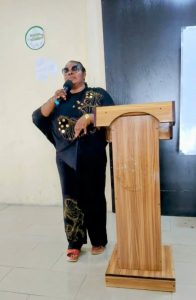
Lady Eunice Nnachi, Executive Director of the Women Organized for Mentorship and Advocacy Network (WOMAN), set the tone with a deeply personal reflection that struck an emotional chord with the audience. Sharing her story of perseverance through adversity, she encouraged young girls and women to embrace challenges as stepping stones rather than setbacks.
> “There were many times I had so many problems, I almost gave up,” she said. “But each obstacle was a stepping stone. Young girls must keep pushing, keep acting, and never let challenges silence their dreams.”
Her message of resilience resonated strongly, especially among young women who saw in her story a reflection of their own struggles — the balancing act of ambition, societal expectations, and personal obstacles. Nnachi’s experience served as a reminder that true leadership is not forged in comfort but in the furnace of adversity.
“The Change We Want Begins With Us”
Guest speaker Mr. Augustine Burutolu delivered an inspiring keynote that anchored the conversation on personal accountability and moral courage. His message was clear: national transformation cannot occur without individual transformation.
> “The change we want begins with us,” he declared. “Focus on making changes where you are — in your community, in your home, in your daily choices. If we commit to truth, act with conviction, serve others, and are willing to sacrifice comfort for purpose, we can rebuild our nation from within.”
Burutolu’s address struck a balance between realism and hope, urging young people to look inward rather than wait for systemic reform from above. His emphasis on truth, conviction, service, and sacrifice as the four pillars of transformation provided a moral framework for the conversations that followed.
Practical Leadership for a Changing World
Convener of the program, Mr. Solomon Simon, who describes himself as a He-for-She advocate, challenged participants to pursue self-development with intentionality. He spoke passionately about personal discipline, economic empowerment, and the importance of building relationships that create mutual value.
> “Expose yourself to knowledge through good books and meaningful networks,” he advised. “You can become so valuable that you become indispensable. Be intentional about being in the right environment.”
Simon’s keynote turned abstract ideals into practical tools, especially when he introduced his signature principle: “What you have is enough.” According to him, leadership does not begin with abundance — it begins with appreciation and action.
He illustrated this idea using the framework of three forms of leadership capital — heart capital, social capital, and financial capital — each representing a crucial dimension of effective leadership.
Heart Capital: The Power Within
Heart capital, Simon explained, refers to the inner strength, compassion, and courage that drive purpose. It embodies integrity, empathy, and emotional intelligence — qualities that inspire trust and motivate others.
> “Your heart represents your motivation and purpose,” he said. “It means leading with love and conviction, even when you lack material resources.”
Leaders with strong heart capital, he noted, are those who lead with authenticity and passion. Their influence flows not from what they have, but from who they are.
He cited Mother Teresa as an example — a woman who, though not wealthy, moved nations with her compassion and unwavering dedication to service.
Social Capital: The Power of People
The second dimension, social capital, emphasizes the strength of relationships and trust within one’s community. Leadership, Simon explained, is not a solo pursuit but a network of shared values and mutual support.
> “A leader may not have money,” he said, “but if people trust and respect them, they already have social capital to achieve great things.”
Social capital, therefore, is about nurturing genuine connections — the kind that opens doors, mobilizes support, and amplifies one’s ability to create change. In a world increasingly driven by collaboration and collective action, social capital has become a currency of influence.
Financial Capital: The Power of Resources
Finally, Simon addressed financial capital — the material resources that make ideas tangible. While acknowledging its importance, he cautioned against over-reliance on money as the measure of leadership success.
> “Money helps implement ideas,” he said, “but without heart and social capital, it can’t inspire lasting change.”
True leaders, he added, use whatever financial resources they have — no matter how small — strategically and with integrity.
A Movement for Renewal
As the day’s sessions came to a close, a renewed sense of hope filled the hall. Participants shared reflections filled with gratitude and purpose, recognizing that leadership is less about position and more about personal responsibility, consistency, and character.
The National Transformation Pathfinders Program was more than just another leadership seminar — it was a movement for national renewal. It reminded participants that transformation begins within and that everyone has a role to play in shaping a better Nigeria.
In Lady Eunice Nnachi’s words:
> “Challenges may come, but if your heart is strong and your purpose clear, no obstacle can stop you from becoming who you are meant to be.”
The message was unmistakable — leadership begins not when you have everything,
but when you make the choice to start with what you already have.