

The Child Rights Information Bureau (CRIB) of the Federal Ministry of Information and National Orientation, in collaboration with the United Nations Children’s Fund (UNICEF), has called on journalists across Nigeria to strengthen their capacity for ethical and sensitive reporting on issues affecting children.
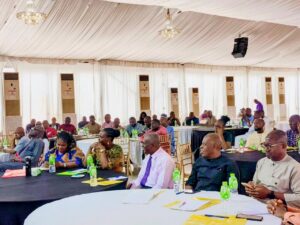
The call was made during a two-day media training on Ethical Journalism and Child Rights Reporting held at Golden Tulip Hotel, Port Harcourt. The training brought together journalists from the South-East, South-South, and North-Central regions to build their competence in reporting children’s issues with fairness, dignity, and responsibility.
Speaking at the opening session, the Permanent Secretary of the Federal Ministry of Information and National Orientation, Mr. Ogbodo Chinasa Nnam, represented by the Assistant Director and Head of the Child Rights Information Bureau, Mr. Falayi Temitoye, emphasized the importance of ethical reporting in shaping society’s perception of children.
“It is a real pleasure to welcome you all to this important training on ethical reporting and child rights reporting,” he said. “The media holds immense power — the power to inform, inspire, and hold institutions accountable. But with that power comes the responsibility to report with integrity, sensitivity, and respect for human dignity.”
Mr. Ogbodo urged journalists to exercise extra caution when reporting stories involving minors, noting that every word, image, or frame published could have a lasting impact on a child’s life and future. He commended UNICEF for its consistent partnership with the Ministry in promoting children’s welfare and encouraged participants to fully engage in the sessions.
In his keynote address, the Chief of Field Office, UNICEF Port Harcourt, Mr. Anselm Audu, underscored the critical role of ethical journalism in protecting vulnerable groups, especially children and women. He stressed that responsible media coverage helps prevent harm, builds public trust, and fosters peace.
“Ethical journalism is the antidote to misinformation and hate speech,” Audu said. “Responsible reporting can cool tempers, foster dialogue, and promote peace in times of tension.”
Audu cautioned against sensationalizing stories or publishing identifiable images of children, warning that such practices could expose them to trauma or stigma. He urged journalists to always act in the best interest of the child and obtain consent before interviewing minors.
Also speaking, UNICEF Nigeria’s Communications Specialist and Acting Chief of Communication, Advocacy, and Partnership, Ms. Susan Akila, reaffirmed UNICEF’s strong collaboration with the media.
“We value our media partners because you are the foot soldiers,” she noted. “Children do not have a voice, and journalists are in the best position to speak for them responsibly.”
The two-day training featured interactive discussions, case studies, and practical sessions aimed at strengthening ethical standards and promoting child-sensitive reporting across media platforms.