

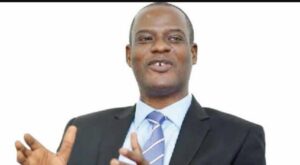
 At least nine out of every ten Nigerians will no longer have to pay the Pay As You Earn (PAYE) tax, according to Taiwo Oyedele, Chairman of the Presidential Fiscal Policy and Tax Reform Committee. Oyedele disclosed this while speaking on the progress of the committee’s reform agenda, noting that the new tax laws are designed to reduce the burden on low- and middle-income earners while improving fairness and compliance within Nigeria’s tax system.
He revealed that the reforms, which have been approved by the Federal Government, will take effect from January 2026, marking the start of a new era in Nigeria’s fiscal landscape. “Our plan is simple — to make life easier for ordinary Nigerians. Under the new framework, at least 90 percent of workers will not have to pay PAYE because their income levels fall below the revised tax-free threshold,” Oyedele explained.
READ: Senator Natasha Akpoti-Uduaghan Returns to Plenary After Brief Absence
According to him, the objective is to stimulate productivity and disposable income among citizens, while encouraging formal employment and reducing the pressure of multiple taxation. “We realized that Nigeria’s tax system has been punishing those who earn little, while giving room for leakages at the top. This reform will correct that imbalance,” he said.
Oyedele further stated that the government will focus on taxing wealth, property, and luxury items instead of wages and small businesses. He emphasized that this shift aligns with President Bola Tinubu’s economic vision of creating a fair, growth-oriented, and people-centered tax structure.
The committee, which was inaugurated in August 2023, has been working on simplifying Nigeria’s complex tax codes, harmonizing revenue collection, and introducing digital systems to curb evasion. Oyedele confirmed that the new laws would be rolled out gradually through collaboration between the Federal Inland Revenue Service (FIRS), state governments, and local authorities.
Economic experts have welcomed the development, describing it as a major relief for millions of Nigerians struggling with high inflation and low purchasing power. However, some analysts cautioned that the government must ensure efficient implementation to prevent revenue shortfalls and maintain fiscal balance.
ALSO, READ: Agbamuche-Mbu Replaces Yakubu as Acting INEC Chair
Oyedele assured that the reforms are revenue-neutral and will not hurt the government’s income. “We are shifting focus from taxing income to taxing consumption and wealth in a way that is fair and efficient,” he said.
With the reforms set to begin in January 2026, Nigerians are eagerly anticipating the tangible benefits of what could become one of the most significant tax overhauls in the nation’s history.