

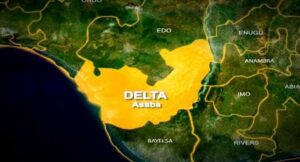
 The 14th Asagba of Asaba, His Royal Majesty Prof. Epiphany Azinge (SAN), has renewed the community’s call for a formal apology from the President of the Federal Republic of Nigeria over the Asaba Massacre of 1967, describing it as a moral debt owed to the people of Asaba and a necessary step toward national reconciliation.
Speaking during the 58th anniversary commemoration of the tragic incident, which took place at the Asaba Memorial Arcade, Prof. Azinge said that despite the passage of time, the wounds of the massacre remain fresh in the memories of families who lost their loved ones. He noted that the event was not just a local tragedy but a national one that reflected the dark side of Nigeria’s civil war history.
The monarch recalled that on October 7, 1967, hundreds of unarmed men and boys were rounded up and executed by federal troops on the pretext of being Biafran sympathizers. He said the people of Asaba, who had come out to demonstrate loyalty to the Nigerian government, were massacred in cold blood in one of the most painful episodes of the civil war.
READ ALSO: ACF Reiterates Political Neutrality Ahead of 2027 Elections
“Fifty-eight years after, Asaba still mourns. The memories have not faded. We are still waiting for that moment when the Federal Government will find it appropriate to say, ‘We are sorry.’ That apology will not only heal the hearts of Asaba people but will also strengthen our collective belief in one Nigeria,” the Asagba said.
Prof. Azinge commended successive Delta State Governments for supporting the annual remembrance and for establishing the Asaba Massacre Memorial Arcade to honor the victims. He, however, urged the Federal Government to go further by issuing an official apology, building a national peace monument in Asaba, and incorporating the event into Nigeria’s historical education.
The ceremony featured prayers for peace, cultural displays, and the laying of wreaths by descendants of victims and dignitaries. Several speakers, including community leaders, scholars, and rights advocates, reiterated the demand for justice and national recognition.
They emphasized that the Asaba Massacre should serve as a reminder of the dangers of ethnic hatred and the importance of unity, truth, and reconciliation.
As the event concluded, the Asagba reaffirmed his people’s commitment to peace, national development, and mutual coexistence, but insisted that closure would only come when the nation formally acknowledges and apologizes for the atrocities of 1967.