
By Rhoda Godwin
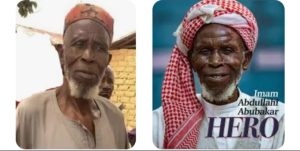 JOS, NIGERIA — In a solemn moment for many across Nigeria and beyond, Imam Abubakar Abdullahi, the revered Muslim cleric who became a national symbol of courage and interfaith compassion, has died at age 90. The Imam passed away late Thursday, January 15, at the Plateau Specialist Hospital in Jos following a brief illness related to a heart condition, his son Saleh Abubakar confirmed.
For many Nigerians, Imam Abdullahi was more than a religious leader; he was a living reminder that humanity transcends divisions of creed and ethnicity. His extraordinary act of bravery during violent communal clashes in June 2018 in Barkin Ladi Local Government Area of Plateau State resonated around the world.
A Moment of Courage Amid Chaos
In the height of the June 2018 violence — a period marked by brutal attacks that engulfed at least 10 villages — hundreds of residents fled for their lives as gunmen swept through communities. Among them were Christian families escaping assaults that left scores dead. In that moment of terror, Imam Abdullahi opened the doors of his mosque and his own home in Nghar village, offering sanctuary to those most at risk. He sheltered 262 Christians, predominantly from the Berom ethnic group, protecting them until the violence subsided.
What made his bravery especially remarkable was not just the number of lives saved, but the personal risk he took. According to eyewitness accounts from past reports, the Imam stood guard at the mosque door, defying armed assailants who demanded the surrender of those inside — even offering his own life in their stead.
–
Recognition Beyond Borders
The world took notice. In 2019, the United States Department of State honored Imam Abdullahi with the International Religious Freedom Award, one of the most prestigious recognitions for advocates of religious tolerance and human rights. The award acknowledged his selfless commitment to protecting lives regardless of faith.
Back home, his actions earned widespread respect and admiration. Leaders from various faiths frequently cited his example as proof that peaceful coexistence is not just possible but essential in Nigeria’s diverse society.
Tributes and Reflections
As news of his death spread, tributes poured in from political and religious figures.
Former Vice President Atiku Abubakar described him as a “distinguished patriot and symbol of compassion,” noting that his life “transcended religious divides” and offered a powerful testament to peace and brotherhood.
Former presidential candidate Peter Obi highlighted how Imam Abdullahi’s life “exemplified our shared humanity,” urging Nigerians to see one another first as human beings, regardless of faith.
Leaders praised the Imam’s legacy not only as an example of personal courage but as a quiet challenge to those in power — a reminder that leadership rooted in empathy can heal deep wounds.
A Legacy of Unity
Imam Abubakar Abdullahi is survived by 19 children — 12 sons and seven daughters — and a legacy that will be remembered long after his burial in Nghar village following Friday prayers.
In an era often marked by division, his life serves as a testament to the power of selfless action and the potential for faith to unite rather than divide. As Nigeria continues to confront its challenges, many hope that his example will inspire future generations to choose compassion over conflict.