
By Rhoda Godwin
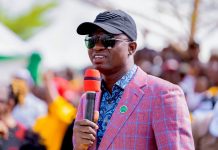
 A recent statement by former Anambra State Governor and Labour Party presidential candidate, Peter Obi, has reignited a critical national conversation on tax compliance, public trust, and governance in Nigeria. “Nigerians are asked to pay tax without clarity, explanation or visual benefits. Prosperity cannot come by taxing poverty,” Obi said, capturing a frustration shared by millions of citizens across the country.
At the heart of the debate is a longstanding dilemma: how does a government encourage tax compliance in an economy where many citizens struggle to meet basic needs, and where public accountability remains weak?
The Trust Deficit
Taxation, experts agree, is a cornerstone of national development. Roads, schools, hospitals, security, and social services are largely funded by taxes. However, in Nigeria, the social contract that underpins taxation appears strained.
For many Nigerians, paying taxes feels less like a civic duty and more like an obligation imposed without corresponding benefits. Traders in local markets, small business owners, and salary earners often complain that they are taxed repeatedly—by federal, state, and local authorities—yet continue to contend with poor infrastructure, unreliable electricity, inadequate healthcare, and failing public schools.
“People are not against paying tax,” says Lagos-based economist Aisha Bello. “They are against paying tax into a system where they cannot see how the money improves their lives.”
Taxing Poverty?
Nigeria has one of the largest informal sectors in the world, with a significant percentage of the population living near or below the poverty line. In this context, Obi’s warning about “taxing poverty” resonates strongly. Critics argue that aggressive tax drives targeting low-income earners and small businesses risk deepening hardship rather than expanding prosperity.
While government agencies often point to low tax-to-GDP ratios as justification for widening the tax net, civil society groups counter that the focus should be on growing incomes, formalizing the economy, and blocking revenue leakages before placing additional burdens on the poor.
Where Are the Benefits?
A recurring theme in Obi’s statement is the absence of “clarity, explanation or visual benefits.” Transparency advocates argue that governments must do more to clearly communicate how tax revenues are collected and spent.
“In countries with high tax compliance, citizens can point to specific projects funded by their taxes,” notes public policy analyst Chinedu Okafor. “In Nigeria, that link is often missing or unclear.”
Some states have begun experimenting with public dashboards, signage on completed projects, and periodic reports showing how tax funds are utilized. While these efforts are still limited, analysts say they are steps in the right direction.
Government’s Position
Government officials maintain that taxation is unavoidable if Nigeria is to reduce its dependence on oil revenue and fund development sustainably. They argue that reforms are underway to improve tax administration, reduce multiple taxation, and enhance accountability.
However, many observers insist that reforms must go beyond collection mechanisms. Without visible improvements in governance, service delivery, and anti-corruption efforts, appeals for voluntary tax compliance may continue to fall on deaf ears.
A Call for a New Approach
Peter Obi’s statement has struck a chord because it reframes tax compliance not just as a legal obligation, but as a relationship built on trust. For many Nigerians, that trust must be earned.
As the country grapples with economic pressures, inflation, and widespread hardship, the message from citizens is increasingly clear: taxation must be fair, transparent, and tied to tangible development. Until Nigerians can see and feel the benefits of their contributions, the debate over tax compliance—and the warning against “taxing poverty”—is unlikely to fade anytime soon.