
 Sokoto State, Nigeria — In a dramatic escalation of U.S. involvement in West Africa’s security landscape, President Donald J. Trump announced on Christmas night that the United States carried out “powerful and deadly” airstrikes against Islamic State (ISIS) militants in northwest Nigeria — a region beset by years of extremist violence and communal bloodshed.
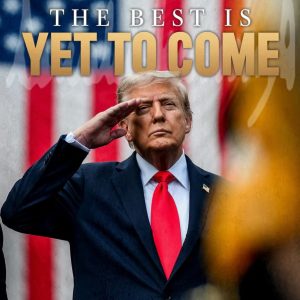
In a post on his social media platform, Truth Social, Trump said the strikes were launched “at my direction as Commander in Chief” against what he described as “ISIS Terrorist Scum in Northwest Nigeria, who have been targeting and viciously killing, primarily, innocent Christians… at levels not seen for many years, and even centuries.”
The timing — on a major Christian holiday — and the president’s messaging, including a “MERRY CHRISTMAS to all,” underscored a starkly personal tone in the U.S. response to extremist attacks.
Strike Details and Military Coordination
According to U.S. Africa Command (AFRICOM) and official statements, the operation:
Targeted ISIS-linked militants in northwest Nigeria, particularly in and around Sokoto State was conducted “at the request of Nigerian authorities,” indicating coordination with Nigeria’s government.
Resulted in multiple ISIS fighters killed, according to U.S. military assessments.
The Pentagon released brief footage of a projectile launch from a military vessel in the Gulf of Guinea, and U.S. Defense officials suggested that additional military actions could follow if extremist violence continues.
Political and Regional Context
The Christmas strikes come after weeks of escalating rhetoric from the U.S. administration accusing extremist groups of systematic attacks on Christian communities in Nigeria’s north, where armed factions such as ISIS-affiliated groups and Boko Haram have been active for years. Trump had previously instructed the Pentagon to plan possible military action and criticised the handling of religious violence in Nigeria.
Nigeria’s government, while acknowledging cooperation with the U.S. on security, has emphasized the complex nature of violence in the country, noting that armed groups target both Christians and Muslims, and called for sustained efforts to protect citizens of all faiths.
President Bola Ahmed Tinubu, in a separate Christmas message, reiterated Nigeria’s commitment to religious tolerance and national unity, cautioning against characterizations that oversimplify the country’s security challenges.
International and Domestic Reactions
The strikes have drawn global attention:
Supporters of the U.S. action praise the move as a bold stand against extremism that has terrorised civilian populations for years.
Critics warn of risks associated with foreign military interventions and stress the need for comprehensive strategies that empower local security forces and address root causes of insurgency.
Observers note that this marks a significant shift in U.S. engagement in Africa, adding to ongoing counter-terrorism efforts in places like the Sahel and the Middle East.
What’s Next
With the U.S. signaling readiness for further action and Nigeria reaffirming its security partnerships, the coming weeks may see continued surveillance and targeted strikes against extremist cells.
Increased intelligence sharing between U.S. and Nigerian forces.
Heightened diplomatic dialogue on regional security and humanitarian consequences.
As the situation develops, both governments face pressure to balance decisive action with broader efforts to stabilize communities long affected by violence