

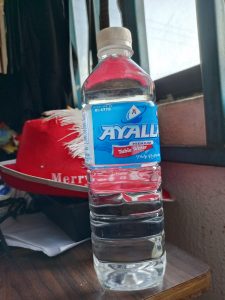
For weeks, complaints have trailed Ayalla Table Water across parts of Bayelsa State. Consumers have taken to markets and social spaces to air concerns ranging from unusually tight bottle caps to questions about product quality. What many assumed to be a manufacturing defect or deliberate cost-cutting has now taken a different turn, following explanations by the company’s leadership.
Two days ago, Newspilotng encountered Chief (Hon.) Robert Ayalla Enogha, the Chief Executive Officer of Ayalla Table Water, who offered insight into the situation that has sparked public debate.
According to him, the company has been battling a serious challenge of product adulteration and imitation, allegedly traced to activities within the Swali market axis of Yenagoa.
Chief Enogha explained that individuals posing as producers have been refilling used Ayalla bottles with unsafe water and reselling them to unsuspecting members of the public. He described the act as not only criminal but dangerous, with potential health implications for consumers and reputational damage to the brand.
“What the public is experiencing is not a mistake from our factory,” he said. “Fake producers are refilling our bottles in Swali market. To protect our consumers and our brand, we had to tighten the caps to make it harder for anyone to open, refill and reseal the bottles.”
According to the CEO, the tighter bottle caps were introduced as a temporary security measure to help consumers identify original products. Genuine Ayalla Table Water bottles, he noted, now require more effort to open because they are factory-sealed under stricter conditions to discourage tampering.
This explanation sheds new light on what many buyers initially perceived as inconvenience or poor packaging design. While some consumers admit the caps are difficult to open, others say they prefer the discomfort to the risk of drinking adulterated water.
Packaged water remains a major source of drinking water for many Bayelsans, particularly in urban and semi-urban areas. As such, any concern around purity, safety, or authenticity quickly becomes a public issue. Experts warn that adulterated sachet or bottled water can expose consumers to waterborne diseases, especially when refilled under unhygienic conditions.
Chief Enogha said the company has begun sensitising distributors and retailers on how to spot fake products and is also reviewing additional security features such as customised seals and improved bottle designs. He appealed to consumers to buy only from trusted vendors and to report suspicious products.
“If the seal looks broken or the cap opens too easily, don’t drink it,” he warned. “Our original product leaves the factory properly sealed. Consumer safety is our priority.”
The issue also raises broader questions about regulatory enforcement and market surveillance. While agencies such as NAFDAC and environmental health authorities are tasked with monitoring packaged water producers, illegal operators often exploit gaps in enforcement, especially in busy markets.
Residents of Swali market, when contacted, acknowledged that counterfeit food and drink products occasionally surface, though traders insist most sellers are legitimate. Some called on authorities to intensify routine checks and clamp down on illegal refilling operations to protect both consumers and genuine businesses.
For now, Ayalla Table Water says it remains committed to quality control and transparency. The company insists that the tighter caps are not a sign of compromised production but a defensive response to criminal imitation.
As Bayelsans navigate rising concerns over food and water safety, the Ayalla experience serves as a reminder that consumer complaints can sometimes point to deeper systemic problems — ones that require collaboration between producers, regulators and the public to resolve.