

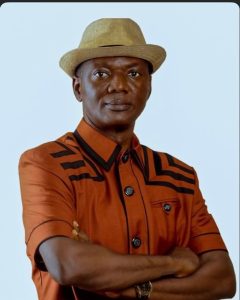
YENAGOA, Dec. 11, 2025 — Tragedy struck Bayelsa State on Thursday when Senator Lawrence Oborawharievwo Ewhrudjakpo, the state’s deputy governor, suddenly collapsed in his government office and was later pronounced dead at the Federal Medical Centre (FMC), Yenagoa. The shocking incident has sent ripples through the political landscape of the Niger Delta and reignited national debate over the state of Nigeria’s healthcare system.
According to multiple eyewitnesses, the 60-year-old deputy governor was in his office attending to official duties around 1:30 p.m. when he suddenly slumped without warning. Aides and security personnel rushed to assist him before placing him in an official vehicle and transporting him to FMC, the nearest major federal health facility in Bayelsa’s capital.
At the hospital’s emergency unit, medical staff reportedly made all efforts to resuscitate Ewhrudjakpo, but despite the urgency, he was pronounced dead shortly after arrival.
Born on September 5, 1965, in Sagbama Local Government Area, Ewhrudjakpo was a respected public servant. His political journey included a tenure as a federal lawmaker before being elected deputy governor in 2020. Educated in community health, business administration and law, he was known for his dedication to public service and his fierce work ethic.
But on Thursday, his commitment to duty collided with a harsh reality that healthcare workers and ordinary Nigerians have decried for years. An anonymous nurse at FMC, who spoke with journalists after the deputy governor’s arrival, lamented the “level of decay in the health care system”. She claimed there were times when FMC Yenagoa had no patients on its wards, including during emergencies involving high-profile individuals, and alleged that at one critical moment “not a single doctor was present” when medical care was desperately needed.
The nurse went on to highlight that Ewhrudjakpo’s blood pressure was reportedly 170/110, a dangerously high reading indicating severe hypertension — yet there was no immediate, specialist medical attention available. She said, “His death should spur the federal government and states to look into the health sector. Being the first person to die in active duty, something needs to be corrected…” Her words reflect mounting anger among healthcare professionals and citizens who believe preventable system failures are costing lives.
Across Yenagoa, reactions ranged from grief to outrage. Top government officials, including state and national leaders, have begun issuing statements of condolence, hailing Ewhrudjakpo as a committed leader whose sudden passing is a “deep personal and institutional loss.”
For many Bayelsans, the tragedy continues beyond politics. It is a reminder of the fragility of Nigeria’s health infrastructure — where even the powerful are not guaranteed swift, effective care. As the state mourns a deputy governor taken in his prime, questions about the readiness and capacity of public health facilities continue to haunt the nation.