

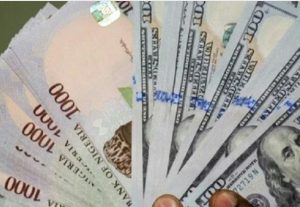
The Nigerian Naira sustained its stable momentum against the US Dollar on Wednesday, December 3, 2025, reinforcing growing confidence in the country’s foreign exchange outlook. The currency maintained a tight convergence between the official Nigerian Foreign Exchange Market (NFEM) rate and the parallel market, a trend analysts say reflects improved supply-side liquidity and stronger policy coordination by monetary authorities.
At the NFEM window, the Naira closed at a marginally stronger rate compared to earlier in the week, buoyed by steady dollar inflows from exporters and portfolio investors. In the parallel market, the currency traded within a narrow band, mirroring official levels and reducing the long-standing divergence that had previously fuelled currency speculation and arbitrage.
Market analysts attribute the continued stability to the Central Bank of Nigeria’s (CBN) sustained interventions, improved transparency measures, and recent reforms aimed at harmonizing exchange rate windows. The enhanced monitoring of forex transactions and stricter enforcement against illicit market activities have also contributed to calming volatility.
Traders in Abuja and Lagos reported moderate demand for the dollar, with many noting that businesses have grown more confident in the predictability of the market. “The rates have been steady for weeks now. People are no longer rushing to buy dollars out of panic,” a bureau de change operator in Lagos said.
The improved foreign exchange environment comes at a time when the government is intensifying efforts to boost non-oil exports and attract foreign investment. Economists say maintaining stability will be crucial for controlling inflation, enhancing purchasing power, and supporting long-term economic planning for both households and businesses.
However, some observers warn that sustaining the trend will depend on global oil prices, geopolitical developments, and the pace of domestic economic reforms. They emphasize that while the convergence between markets is positive, Nigeria must continue building buffers to shield the local currency from external shocks.
With current indicators pointing to relative calm, stakeholders are cautiously optimistic that the Naira’s stability may continue in the weeks ahead—provided policy consistency and market discipline remain top priorities.