
Fresh waves of abductions and armed attacks were recorded across parts of the country on Thursday, heightening public anxiety despite new steps by the Federal Government to strengthen international security cooperation. At least 31 persons were reportedly abducted in separate incidents in Niger State and Bwari Area Council of the Federal Capital Territory (FCT), while one person was feared dead in an attack on the convoy of former Minister of Labour, Dr Chris Ngige, along the Anambra–Imo corridor.
Community sources in Niger State said gunmen invaded several villages in Munya and Shiroro local government areas, seizing residents and forcing others to flee. In Bwari, the attackers were said to have struck late Wednesday, whisking away a number of locals before security operatives arrived. Officials confirmed the incidents but said operations were underway to track the perpetrators.
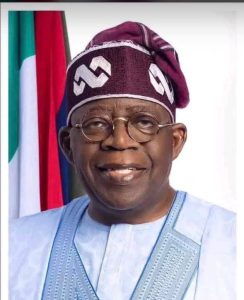
The escalation of attacks coincided with President Bola Tinubu’s approval of Nigeria’s contingent to the newly established U.S.–Nigeria Joint Working Group, following high-level meetings in Washington, D.C., led by the National Security Adviser (NSA), Mallam Nuhu Ribadu. The Working Group is expected to coordinate intelligence sharing, counterterrorism planning, defence support, and strategic training programmes.
The Nigerian delegation is drawn from key security, intelligence and diplomatic institutions. Members include the Minister of Foreign Affairs, Yusuf Maitama Tuggar; Minister of Defence, Mohammed Badaru Abubakar; Minister of Interior, Olubunmi Tunji-Ojo; Minister of Humanitarian Affairs, Dr Bernard Doro; Chief of Defence Staff, Gen. Olufemi Oluyede; Director-General of the National Intelligence Agency, Mohammed Mohammed; and Inspector-General of Police, Kayode Egbetokun.
President Tinubu urged the team to ensure full and effective implementation of all agreed cooperation frameworks, stressing that Nigeria “must leverage every partnership that strengthens internal security and degrades criminal networks threatening national stability.”
During their visit to Washington, the delegation held strategic engagements with senior officials of the U.S. Congress, the White House Faith Office, the Department of State, the National Security Council and the Department of Defence. U.S. officials reportedly pledged enhanced intelligence support, training assistance, and equipment to aid ongoing operations against armed groups.
Meanwhile, former Minister of Education Oby Ezekwesili criticised what she described as entrenched corruption and weak accountability in the defence sector, arguing that these problems continue to undermine Nigeria’s ability to combat insecurity. She called for reforms to ensure transparency in military spending and operational oversight.
Security analysts say sustained cooperation with the U.S. could improve operational capacity but warn that without domestic reforms, the impact may remain limited.