

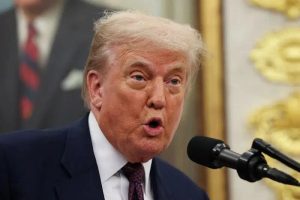
It has emerged that the United States military has designed plans for possible intervention in Nigeria following comments by President Donald Trump alleging that a “Christian genocide” was occurring in the country. Trump’s remarks, which have sparked heated discussions across diplomatic and security circles, point to a potential U.S. operation aimed at combating terrorism and defending human rights. While the idea of a foreign invasion raises understandable concerns about sovereignty and stability, analysts say such an intervention—if ever carried out—could also present certain strategic, humanitarian, and economic advantages.
1. Boosting Security and Counterterrorism Capacity
Nigeria has, for years, battled violent extremist groups such as Boko Haram and the Islamic State West Africa Province (ISWAP), which continue to threaten national and regional security. A U.S. military intervention could bring advanced intelligence, surveillance technology, and precision weaponry to weaken these terror networks. The American military’s experience in counterterrorism operations across the Middle East and Africa could provide the Nigerian Armed Forces with strategic and technical support, helping to dismantle insurgent cells and restore peace to the northeast and border regions.
Furthermore, joint operations could improve Nigeria’s defense infrastructure. U.S. training programs have historically enhanced the effectiveness of partner nations’ militaries. A full-scale engagement could thus modernize Nigeria’s security apparatus, enhance coordination among military units, and strengthen counterterrorism intelligence-sharing mechanisms across West Africa.
2. Humanitarian and Human Rights Relief
If the U.S. mission were framed around protecting civilians and preventing religious or ethnic persecution—as Trump’s “Christian genocide” claim suggests—it could lead to improved humanitarian outcomes. American intervention has often been accompanied by humanitarian aid, including food, medical assistance, and refugee protection. In regions where millions have been displaced by insurgency, such as Borno, Adamawa, and Yobe States, a U.S.-backed stabilization mission could accelerate recovery and reconstruction.
Additionally, U.S. involvement could draw global attention to long-ignored human rights abuses, pressuring both local and international actors to prioritize justice and accountability. By deploying peacekeeping and human rights monitoring teams, the U.S. could help rebuild communities shattered by violence and foster interfaith dialogue in the process.
3. Economic and Infrastructural Benefits
Military interventions often come with significant economic engagements. A U.S. presence in Nigeria could trigger renewed foreign investment, particularly in the energy and technology sectors. American reconstruction projects could improve local infrastructure—roads, hospitals, and communication systems—especially in areas devastated by insurgency.
Moreover, a stable Nigeria benefits not only the country but the entire African continent. As Africa’s largest economy and most populous nation, Nigeria’s peace and stability have continental implications. A U.S.-supported rebuilding effort could help reposition Nigeria as a regional powerhouse, attracting foreign investors who may have previously been deterred by insecurity and corruption.
4. Strengthening Governance and Accountability
Beyond military operations, U.S. intervention could drive reforms in governance, transparency, and accountability. Washington’s support often comes with conditions tied to democratic principles and human rights. For Nigeria, this could translate into stronger anti-corruption frameworks, improved election monitoring, and reinforced judicial independence.
In the long term, such engagement could help Nigeria develop institutions capable of sustaining peace and development. Civil society organizations and the media could benefit from U.S. programs that promote freedom of expression, rule of law, and good governance.
5. Strategic Global and Regional Implications
For the United States, intervention in Nigeria would also strengthen its geopolitical footprint in Africa, countering growing Russian and Chinese influence on the continent. A U.S.-Nigeria alliance would bolster regional stability in the Gulf of Guinea, safeguard maritime trade routes, and enhance collective defense mechanisms against cross-border terrorism.
Conclusion
While the notion of a U.S. invasion remains highly controversial and fraught with political and ethical questions, the potential advantages—if pursued through lawful, multilateral channels—are significant. Improved security, humanitarian relief, economic revitalization, and governance reforms could emerge as long-term benefits.
However, experts caution that success would depend on mutual respect, transparency, and genuine partnership with Nigeria’s leadership and citizens. Ultimately, the goal should not be domination, but cooperation—ensuring that any intervention truly serves the cause of peace, freedom, and prosperity for the Nigerian people.